What can we help you find?

Edit Template
  • By Henry Miller

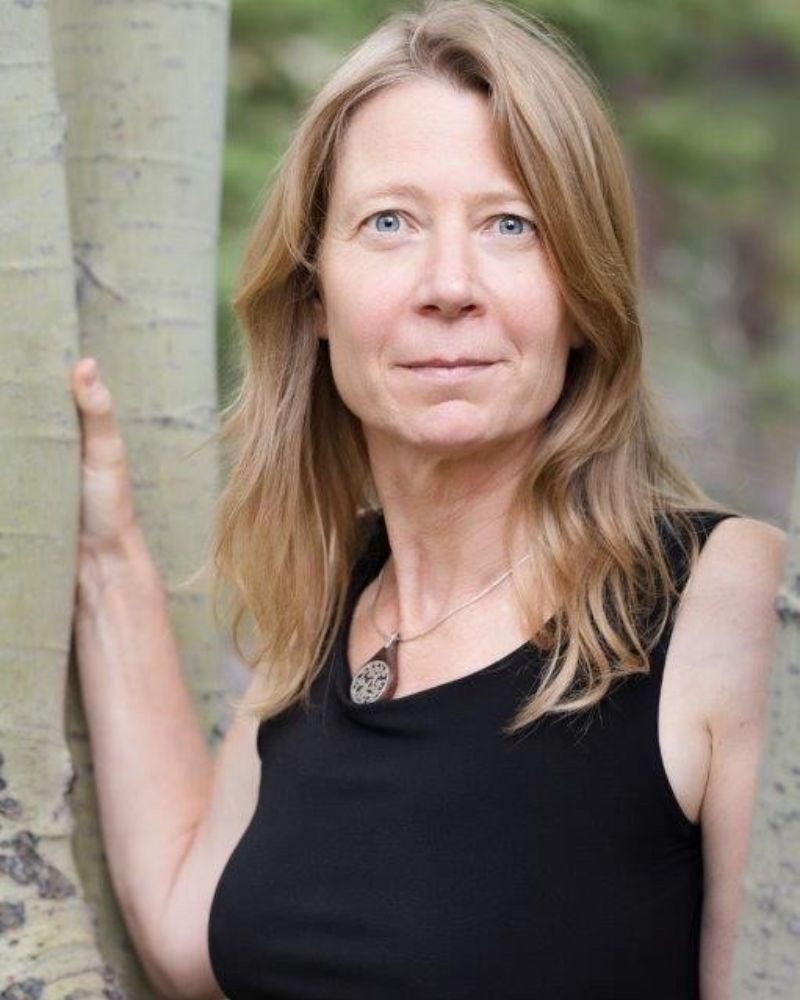
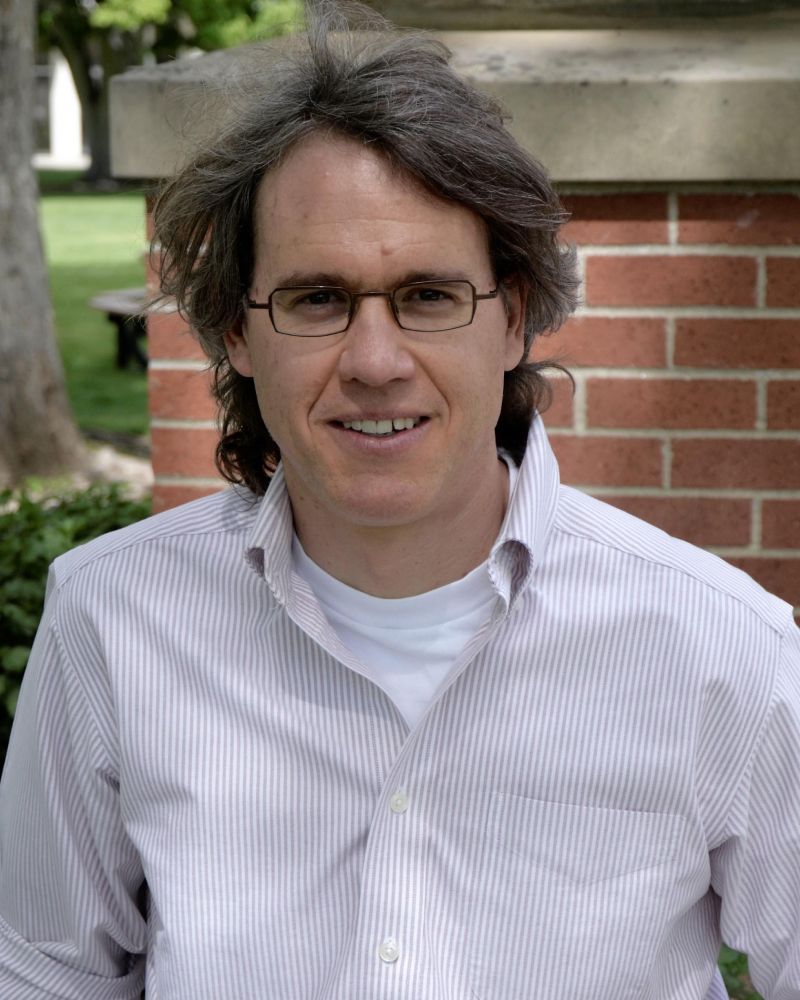
Rochelle Johnson

After growing up in the forests and meadows of New England, I now enjoy the stunning landscapes of the sage-brush steppe ecosystems of southwestern Idaho. Before moving to teach at the College of Idaho, I studied at Bates College (B.A., English, 1990) and worked for two years in the health insurance industry in Cambridge, Massachusetts, learning—in addition to the “9 to 5” commuter lifestyle—that an English major‘s skills in analytical thinking, precise expression, and conceptual organization are deeply valued in the business world. I then went west to Claremont Graduate University (M.A., Ph.D., 1999), where I studied American literature and benefited from taking courses in environmental history while backpacking all over the West. In the 1990’s, the “environmental humanities” was just emerging as a field, though not known by that name. I was fortunate to get involved just as this interdisciplinary mode of study was taking off and just as ASLE, the Association for the Study of Literature and Environment, was forming. I attended the first conferences focused on literature and environment and later served as President of both ASLE. Thanks to great mentors and encouraging professors, I was able to center my dissertation work on a historicized reading of the cultural work performed by nineteenth-century natural history. While my interests have changed over the years, once centering on theories of power and ecocriticism and later on material culture and theories of perception, my fascinations with language, meaning, and materiality sustain me. An author or editor of books, scholarly articles, reviews, and creative essays, my work has been supported or recognized by the Carnegie Foundation, the Idaho Humanities Council, the American Antiquarian Society, and the National Endowment for the Humanities, among other organizations. I value professional service, community, and finding ways for my academic scholarship to have public relevance in our politically and environmentally fraught age. On a more personal note, I enjoy exploring the vitality of matter through yoga, gardening, and running. EDUCATION Ph.D., Claremont Graduate University M.A., Claremont Graduate University B.A., Bates College SCHOLARSHIP & RESEARCH To learn more about my scholarly publications, creative writing, speaking engagements, and awards, or to see my full CV/resume, please visit: https://www.rochellejohnsonwriter.com/.

Explore More
  • By Henry Miller

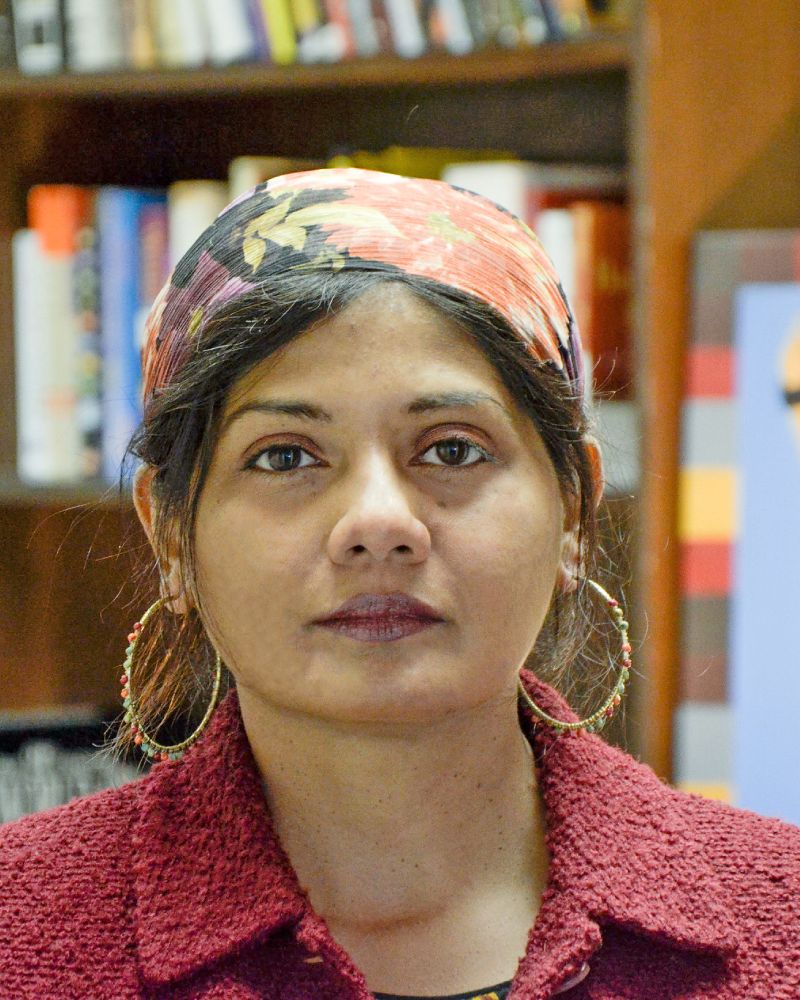
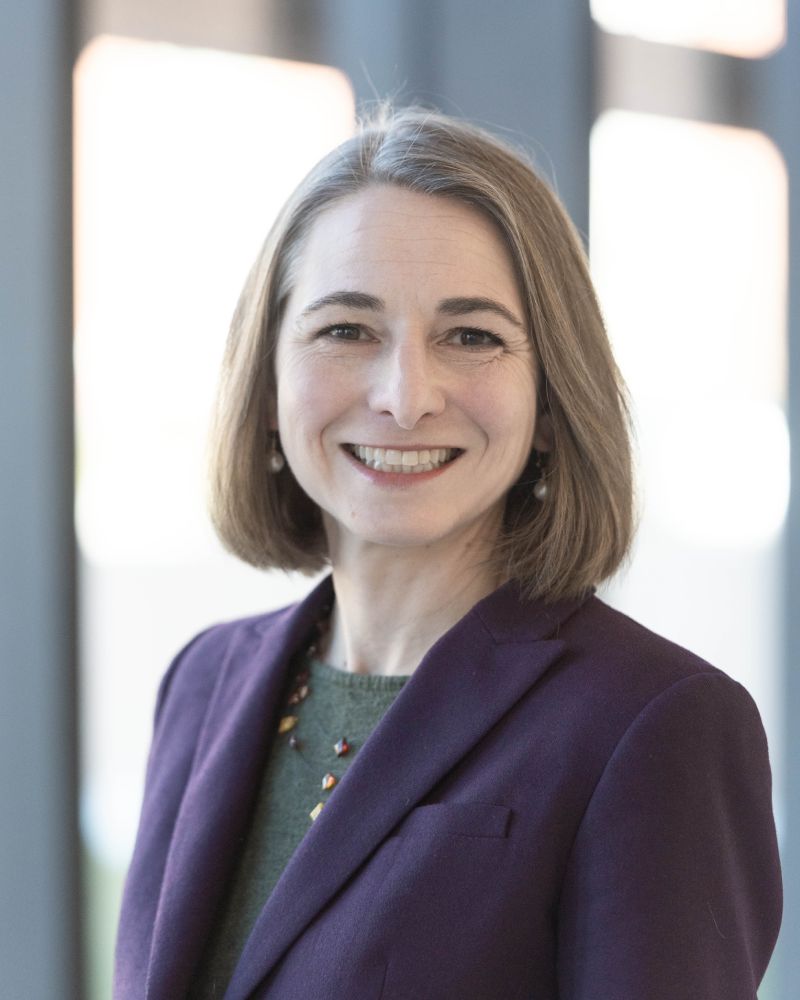
Maimuna Islam

Dr. Maimuna Islam’s expertise is in postcolonial, transnational, and immigrant literature and human rights and social justice, with emphasis on the histories and politics of South Asian and Middle Eastern cultures and societies through literature. EDUCATION Ph. D., University of Denver M. A., University of Colorado at Boulder B.A., Ohio Wesleyan University

Explore More
  • By Henry Miller

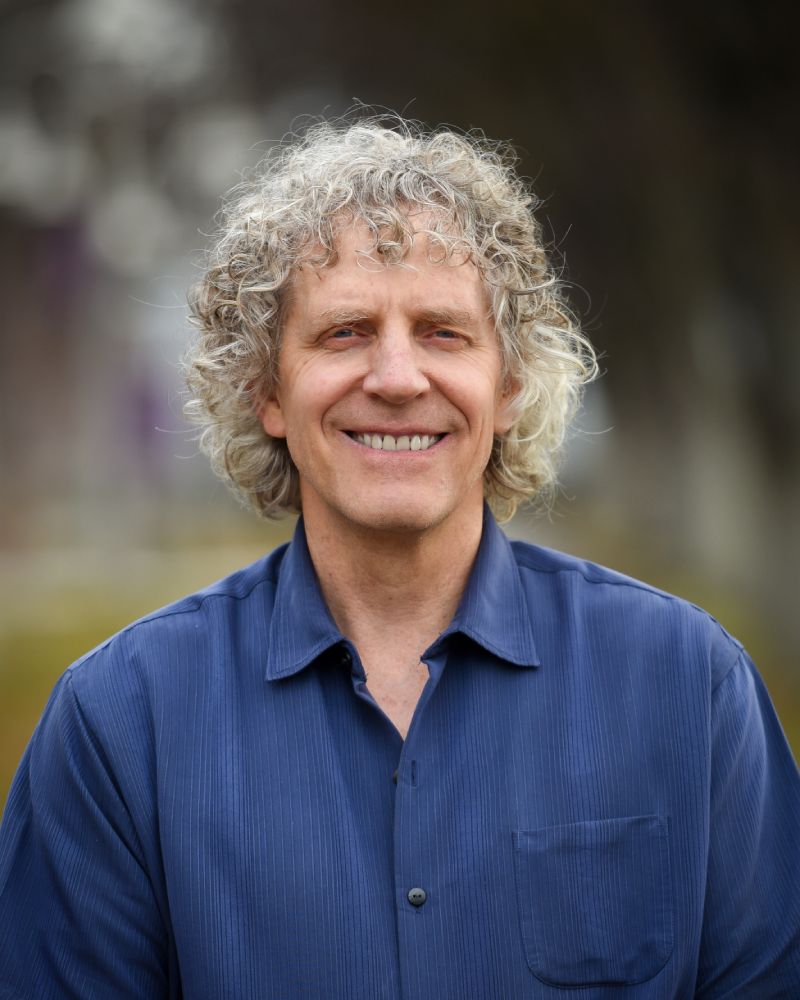
Kerry Hunter

“Dr. Hunter bends minds like bodybuilders bend aluminum coke cans—that is to say, quite easily. Actually, this is a weak analogy because when bodybuilders bend coke cans the cans are useless post-bending. When Hunter bends minds, they become more useful. Maybe he’s more like a ripped blacksmith bending steel?” —Anonymous Student I’m no blacksmith. Nor am I trying to bend minds. Socrates is my mentor—even though I am not old enough to have actually met him in person, as some of my current students would have you believe. Like Socrates, I see teaching as a form of midwifery. Through much labor, I help students give birth to new ideas and new discoveries. I could “teach” no other way. For over thirty years, no two classes have been the same. Each term there are different students giving birth to new discoveries and new ideas. Thankfully, unlike for Socrates, who got himself killed for “corrupting the youth” in ancient Athens, The College of Idaho has proven a supportive place for me to practice my calling. With luck, I will last another thirty years. EDUCATION Ph.D., University of Washington M.A., University of Washington B.A., Utah State University PROFESSIONAL EXPERIENCE I earned my Ph.D. from the University of Washington and began teaching at The College of Idaho in 1988. I have been here ever since. In 2008, I was named Idaho Professor of the Year by the Carnegie Foundation for the Advancement in Teaching. I teach courses in political philosophy and constitutional law and hold a biannual Mock Supreme Court course in which nine students are selected to play the role of a current justice on the U.S. Supreme Court. For this course, the students study cases currently before the Court, hear oral arguments by practicing attorneys in the area, and write opinions as if they were sitting on the Court. Students find this course particularly challenging and rewarding. Past participants include Rhodes, Marshall, and Truman Scholars. During my sabbatical in 2009, I visited New Zealand where I engaged with journalists, members of the public in urban and rural settings, law professors, representatives of diverse political movements, multiple government officials—including two former prime ministers, one of which is the author of New Zealand’s bill of rights, and one future prime minister, Jacinda Ardern. This visit was part of my effort to experience a political culture radically different from that of the U.S. in that New Zealand refuses to grant courts power to overturn acts of the legislature. Upon returning to the U.S., I have published several articles in leading New Zealand law journals debating the issue of whether New Zealand should adopt an American-style constitution. SCHOLARSHIP & RESEARCH The Reign of Fantasy: The Political Roots of Reagan’s Star Wars Policy (1992) The Role of the Supreme Court in American Political Culture: Preserving the Founding Myths (2006) Approaching the U.S. Constitution: Sacred Covenant or Plaything for Lawyers and Judges (2014 and 2016)

Explore More
  • By Henry Miller

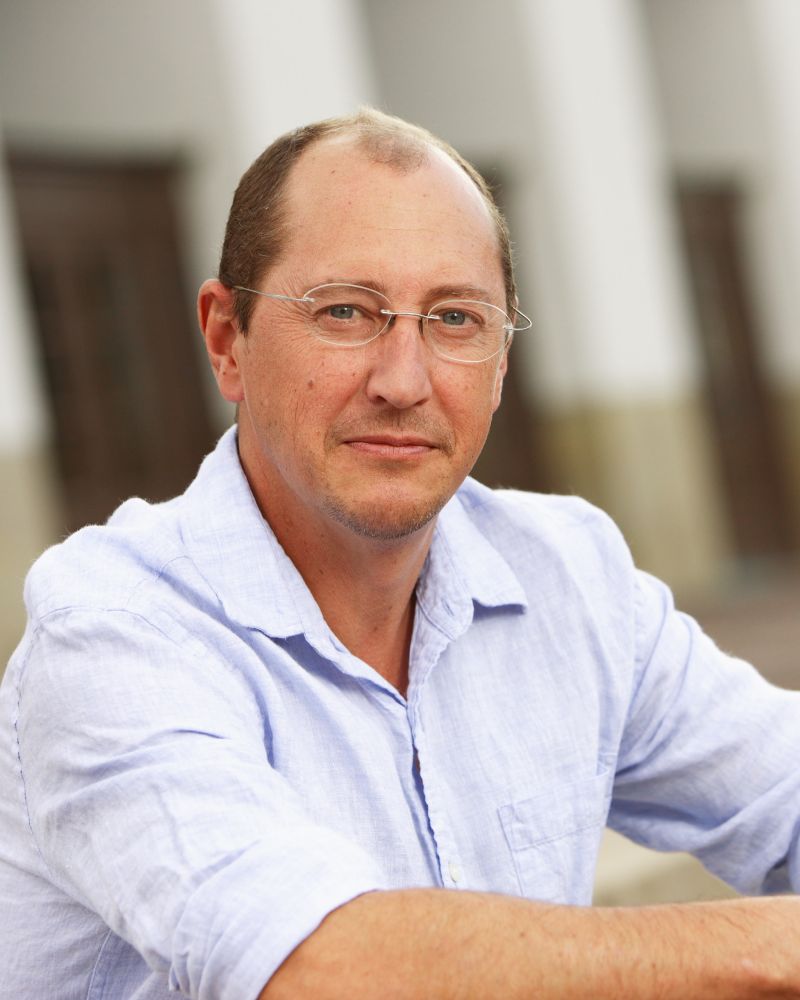
Michael Hartwell

Grateful to be employed in a profession he is passionate about. Michael taught his first Stagecraft class for The College of Idaho in 1997 as an adjunct instructor.  In 2000 he was hired as an Assistant Professor of Theatre and has designed and provided technical direction for almost every show since 1997. His scenic designs for The College of Idaho include: Vinegar Tom, The Marriage of Bette and Boo, Side by Side by Sondheim, Two Rooms, Lysistrata, The Good Person of Szechwan, Our Country’s Good, The Rover, As You Like It, Fiddler of The Roof, Shivaree, The Tempest, What the Butler Saw, The Learned Ladies, Crimes of the Heart, Life and Limb (chosen as a participating production for the Kennedy Center/American College Theatre Festival Regional Conference) Madwoman of Chaillot, Season’s Greetings, Romeo and Juliet. He has been the Technical Director for all the shows listed above as well as; History of Freaks, Macbeth, Ubu Roi, Rosencrantz & Guildenstern Are Dead, and Deadman’s Cell Phone. Lighting design credits include; Ubu Roi and Lapis Blue Blood Red. Michael has also directed numerous productions for The College of Idaho; The House of Yes, Mineola Twins, Lone Star, Lapis Blue Blood Red, and The Passage. Besides stage craft Michael teaches courses in scenic design, scenic painting, stage makeup, stage management and directing. EDUCATION M.F.A., University of North Carolina – Chapel Hill B.S., Boise State University PROFESSIONAL EXPERIENCE Beyond the academic environment Michael has worked at numerous professional theatres in the Boise area to include:  Boise Contemporary Theater– design credits; Velocity of Autumn, Fully Committed, The Cripple of Inishmaan. Technical Direction; Norway, Animals Out of Paper, Last of the Breed, The Pillowman, Three Days of Rain.  Idaho Shakespeare Festival; Production Manager (2001-2004), Technical Director (2005-2006) Designer of Shakespearience (2005-2007) Idaho Theatre for Youth (2003-2008). Opera Idaho; Technical Director, Faust (2009).  US Bank Home and Garden Show (2007, 2006). Michael is co-owner of theatrical/graphic design company, Studio Twelve O2, specializing in design, construction, and technical installation.

Explore More
  • By Henry Miller

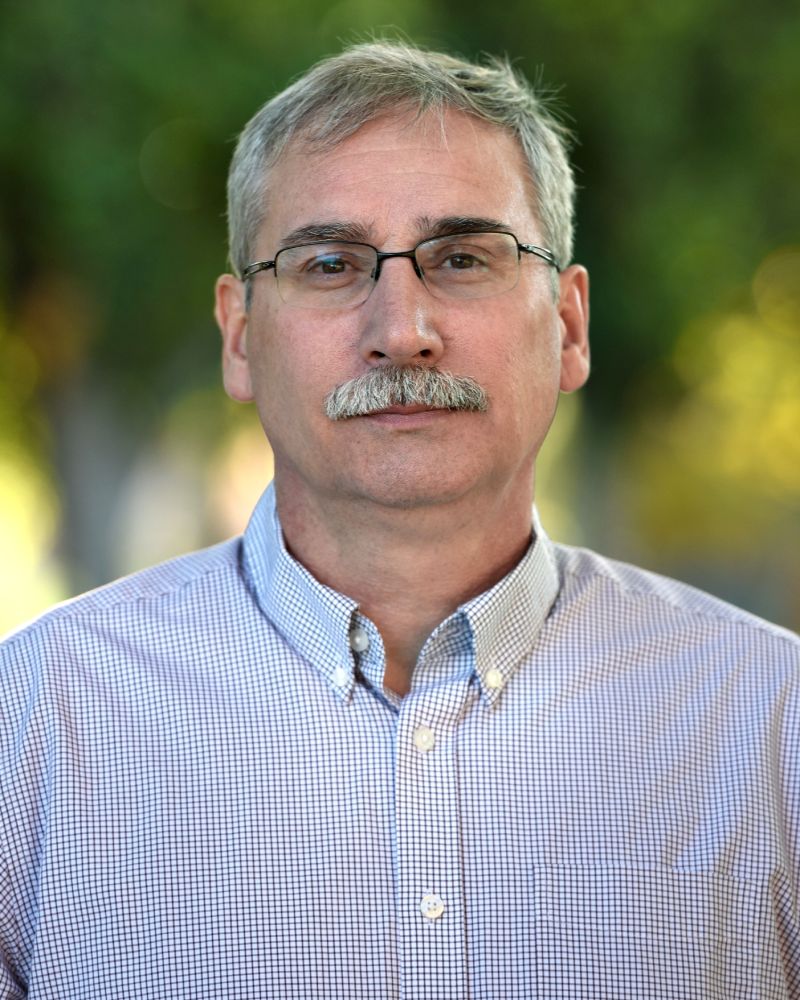
Mark Gunderson

Professor Gunderson has worked at The College of Idaho since 2007. He teaches Animal Physiology, Biology of Reproduction, Organismal Biology, Zoology, and Biology Capstone, and leads off-campus trips associated with his classes and research throughout southwestern Idaho and the Pacific Northwest (Newport, Oregon). Dr. Gunderson’s research program focuses on investigating the pathways involved in protecting organisms against environmental stressors using principles based in physiology, pharmacology, ecology, wildlife biology, biochemistry, and other related fields. He is currently studying the regulation of detoxification and antioxidant pathways by trace environmental contaminants in signal crayfish (Pacifasticus leniusculus) collected from populations throughout southwestern Idaho. Dr. Gunderson has authored/co-authored 29 publications in peer-reviewed journals, 1 book chapter, 18 published abstracts, and 92 presentations at undergraduate, regional, or national conferences. He has received funding from M.J. Murdock Charitable Trust and NIH Idaho INBRE grants. What Dr. Gunderson appreciates most about life at The College of Idaho is the sense of community, opportunities to explore new ideas, and working with enthusiastic students in the classroom, lab and field. EDUCATION Ph.D., University of Florida, Department of Zoology (2005, Phi Kappa Phi) – Gainesville FL. BA, St. Olaf College (1995, Magna Cum Laude, Phi Beta Kappa) – Northfield, MN PROFESSIONAL EXPERIENCE Professor of Biology, The College of Idaho, Caldwell Idaho (2019) Associate Professor of Biology, The College of Idaho, Caldwell Idaho (2013-2019) Chair of Department of Biology (2015-2018) College of Idaho INBRE Program Leader (2010-2018) INBRE Student Research Mentor (2008-2021) Assistant Professor of Biology, The College of Idaho, Caldwell Idaho (2007-2012) Post-Doctoral Fellow, University of Victoria, Victoria B.C. (2005-2007) NSF Graduate Research Fellow, Okazaki Research Institute, Okazaki Japan (2003) Graduate student, University of Florida, Department of Zoology (1998-2005) Technician, Florida Fish and Wildlife Conservation Commission, Gainesville Florida (2001) Lab Technician University of Florida, Department of Zoology, Gainesville, FL 32611(1995-1998) Lab Technician Mount Desert Island Biological Laboratory Salisbury Cove, ME 04672 (Summer 1994-1998, 2002) SCHOLARSHIP & RESEARCH Mclaughlin, Q.R. and Gunderson, M.P. 2022. Effects of selenium treatment on endogenous antioxidant capacity in signal crayfish (Pacifastacus leniusculus). Comparative Biochemistry and Physiology Part C 256: 109324. Gunderson, M.P., Boyd, H.M., Kelly, C.I., Lete, I.R. and McLaughlin, Q.R. Modulation of endogenous antioxidants by zinc and copper in signal crayfish (Pacifastacus leniusculus). Chemosphere. Volume 275, July 2021, 129982. Gunderson, M.P., Nguyen, B.T., Cervantes Reyes, J.C., Holden, L.L., French, J.M.T., Smith, B.D., Lineberger, C. 2018. Response of phase I and II detoxification enzymes, glutathione, metallothionein and acetylcholine esterase to mercury and dimethoate in signal crayfish (Pacifastacus leniusculus). Chemosphere 208: 749-756. Rand M.S., Baldwin KS, Bangma J., Barbeau T., Bermudez D.S., Bernhard M., Botha H., Bowden J.A., Brock, J.W., Cantu T., Crain D.A., Davis E., Doheny B., Edwards T.M., Girling J., Gunderson M.P., Hamlin H.J., Kohno S., Larkin I.V., Martinot A., Masson G.R., Matter J., McCoy K.A., McNabb N.A., Milnes M.R. , Moore B.C. , Nilsen F.M. , Orlando E.F., Palmer B., Parrott B.B., Rainwater T.R. , Roark A.M., Rooney A.A., Tubbs, C.W., Wenzel A.G., Williams C.E. In memory of Professor Louis J. Guillette, Jr. In Memoriam. 2016 General and Comparative Endocrinology 238: 1-3. Gunderson, M.P., Pickett, M.A., Martin, J.T., Hulse, E.J., Smith, S.S., Smith, L.A., Campbell, R.M., Lowers, R.H., Boggs, A.S.P., Guillette, L.J. Jr. 2016.  Variations in hepatic biomarkers in American alligators (Alligator mississippiensis) from three sites in Florida, USA. Chemosphere 155: 180-187. Gunderson M.P., Veldhoen N., Skirrow, R.C., Macnab, M.K., Ding, W., vanAggelen, G., Helbing, C.C. 2011.   Effect of low dose exposure to the herbicide atrazine and its metabolite on cytochrome P450 aromatase and steroidogenic factor-1 mRNA levels in the brain of premetamorphic bullfrog tadpoles (Rana catesbeiana) Aquatic Toxicology 102: 31-38. Helbing, C. C., Maher, S. K., Han, J., Gunderson, M.P., Borchers, C.  2010. Peering into molecular mechanisms of action with frogSCOPE. General and Comparative Endocrinology 168(2):190-8. Helbing C.C., Bailey C.M., Ji L., Gunderson M.P., Zhang F., Veldhoen N., Skirrow R.C., Mu R., Lesperance M., Holcombe G.W., Kosian P.A., Tietge J., Korte J.J., Degitz S.J.  2007.  Identification of gene expression indicators for thyroid axis disruption in a Xenopus laevis metamorphosis screening assay. Part 1. Effects on the brain.  Aquatic Toxicology 82 (4): 227-241. Veldhoen, N., Skirrow, R.C., Osachoff, H., Wigmore, H., Clapson, D.J., Gunderson, M.P., van Aggelen, G., and Helbing, C.C. 2006.  The bactericidal agent triclosan modulates thyroid hormone-associated gene expression and disrupts postembryonic anuran development.  Aquatic Toxicology 80: 217-227. Gunderson, M.P., Kohno, S., Blumberg, B., Iguchi, T., and Guillette, L.J. Jr. 2006. Up-regulation of the alligator CYP3A77 gene by toxaphene and dexamethasone and its short term effect on plasma testosterone concentrations. Aquatic Toxicology 78: 272-283. Milnes, M.R., Bermudez, D.S., Bryan T.A., Edwards, T.M., Gunderson, M.P., Larkin, I. L.V., Moore, B.C., and Louis J. Guilette Jr. 2005.  Contaminant-induced feminization and demasculinization of nonmammalian vertebrate males in aquatic environments.  Environmental Research 100: 3-17. Milnes, M.R., Bryan, T.A., Medina Gates, J., Gunderson, M.P., and Guillette, L.J. Jr. 2005.  Developmental alterations as a result of in ovo exposure to the pesticide metabolite p,p’-DDE in Alligator mississippiensis.  General and Comparative Endocrinology 144: 257-263. Milnes, M. R., Bermudez D.S., Bryan, T.A., Gunderson, M.P., and Guilette, L.J. Jr. 2005.  Altered neonatal development and endocrine function in Alligator mississippiensis associated with a contaminated environment.  Biology of Reproduction 73: 1004-1010. Bermudez, Dieldrich S., Milnes, M.R., Bryan, T.A., Gunderson, M.P., Tubbs, C., Woodward, A.R., and Guillette, L.J. Jr. 2005.  Seasonal variation in plasma thyroxine concentrations in juvenile alligators (Alligator mississippiensis) from three Florida lakes.  Comparative Biochemistry and Physiology part A 141: 8-14. Gunderson,M.P., Oberdörster, E., and Guillette. L.J. Jr. 2004.  EROD, MROD, and GST activities in juvenile alligators collected from 3 sites in the Kissimmee-Everglades drainage, Florida (USA).  Comparative Biochemistry and Physiology, Part C 139: 39-46. Katsu, Y, Bermudez, D.S., Braun, E., Helbing, C., Miyagawa, S., Gunderson, M.P., Kohno, S., Bryan, T.A., Guillette, L.J. Jr., and Iguchi,T. 2004. Molecular cloning of the estrogen and progesterone receptors of the American alligator.  General and Comparative Endocrinology 136:122-133. Gunderson, M.P.,Bermudez, D.S.,Bryan, T.A., Degala, S.,Edwards, T.M.,Kools,S.A.E., Milnes, M.R., Woodward, A.R., and Guillette, L.J. Jr. 2004. Variation in sex steroids and phallus size in juvenile American alligators (Alligator mississippiensis) collected from 3 sites within the Kissimmee-Everglades drainage in Florida (USA).  Chemosphere 56: 335-345. Edwards, T.

Explore More

  • By Henry Miller

Jim Dull

James Dull began lecturing at The College of Idaho in 1998. His scholarly interests include small-telescope observations concentrating on variable stars, telescope automation, and astronomy education. The physics faculty offer several opportunities to students to join in with astronomy research. Dr. Dull invites students to participate in variable star research so they can; improve their understanding of scientific methods, learn how computers aid image analysis, and develop modern telescope techniques. What Dr. Dull appreciates the most about teaching at The College of Idaho is his students’ willingness to participate in class and their dedication to rigorous study. EDUCATION PhD, Astrophysics, Indiana University (1996) MS, Physics, Washington State University (1986) BS, Astrophysics, University of New Mexico (1983)

Explore More
  • By Henry Miller

Scott Draper

I’ve professed at The College of Idaho since 2012. My research in the sociology of religion examines topics such as religious diversity, social boundaries, belief in angels and the paranormal, art/media, and God concepts. My main interest is the microsociology of religious rituals, as seen in my book, Religious Interaction Ritual: The Microsociology of the Spirit (Lexington Press, 2019), as well as in articles in a variety of academic journals. EDUCATION Ph.D., Sociology, Baylor University, 2012 M.A., Sociology, Baylor University, 2009 M.F.A., Acting, Harvard University/Moscow Art Theatre School, 2001 B.A., English Literature, Wheaton College, 1998 SCHOLARSHIP & RESEARCH The following list contains select publications. Draper, Scott. 2026 (forthcoming). Temple University Press. “Does It Need to Be Loud? Religious Effervescence and Micro-Level Sound.” In Collective Effervescence in the 21st Century, edited by Sébastien Tutenges and Philip Smith. Draper, Scott. 2019. Religious Interaction Ritual: The Microsociology of the Spirit. Lanham, MD: Lexington Books. Spencer, Anne Cottrell and Scott Draper. 2018. “Introducing the Sort-Of Buddhist; or, ‘If There is No “I” To Have a Religious Identity Then How Do I Fill Out This Survey?’” Interdisciplinary Journal of Research on Religion 14(3). Draper, Scott. 2017. “The Preeminent Sacred Symbol: Theorizing Image of God Outcomes.” Sociology Compass 11(10). Draper, Scott. 2014. “Effervescence and Solidarity in Religious Organizations.” Journal for the Scientific Study of Religion 53(2): 229-248. Stroope, Sam, Scott Draper, and Andrew Whitehead. 2013. “Images of a Loving God and Sense of Meaning in Life.” Social Indicators Research. 111(1): 25-44 Sherman, Martha and Scott Draper. 2012. “What Will the Neighbors Think? The Effect of Moral Communities on Cohabitation.” Review of Religious Research. Draper, Scott and Joseph Baker. 2011. “Angelic Belief as American Folk Religion.” Sociological Forum. 26(3): 623-643. Baker, Joseph and Scott Draper. 2010. “Diverse Supernatural Portfolios: Certitude Exclusivity, and the Curvilinear Relationship Between Religiosity and Paranormal Beliefs.” Journal for the Scientific Study of Religion 49(3): 413-424. ACCOMPLISHMENTS Winner of the 2021 Distinguished Article Award from the Association for the Sociology of Religion for: “Effervescence Accelerators: Barriers to Outsiders in Christian Interaction Rituals.” 2021. Sociology of Religion 82(3): 357-379.

Explore More
  • By Henry Miller

Kathryn Devine

I am an observational astronomer. My primary research interests are star formation and the interstellar medium. I obtained my PhD in Astronomy at the University of Wisconsin-Madison, although I spent part of my graduate school career at the National Radio Astronomy Observatory’s Very Large Array radio telescope. The Physics faculty offer several opportunities for students to join ongoing research projects or create their own independent studies.  By working on research in the physics department, students can gain experience with computer programming, data analysis, and scientific writing. EDUCATION Ph.D., Astronomy, University of Wisconsin, 2010 M.S., Astronomy, University of Wisconsin, 2005 B.A., Physics and Astronomy, Carleton College, 2002 SCHOLARSHIP & RESEARCH A complete list of Dr. Devine’s publications is available here: https://orcid.org/0000-0002-3723-6362.

Explore More
  • By Henry Miller

Rob Dayley

In my preparation for my career as a professor, a graduate mentor once told me that our job is, in essence, “reading books and talking about them with young people.” It was a wonderfully simple way to describe and accept what we do. Today, I tell people all the time that I can’t believe I get paid to do what I love. The College of Idaho is an amazing place to engage intellectually with students and colleagues. I enjoy a remarkably fulfilling career with positive and life-affirming relationships with C of I students and colleagues. Each semester I feel privileged to work with new and continuing students. Discovering together is my goal with each group of students. Developing our Department’s Political Economy programs has been tremendously rewarding. These include our IPE major, Asian Studies courses, off-campus courses abroad, Model UN program, the Davis Project for Peace, and other initiatives. I especially love new opportunities to research and explore Asia, whether for my own fieldwork or with students and colleagues. When I began my career, I never imagined I would discover such a wonderful combination of teaching, research, scholarship, experiences abroad, and program development. My wife, Carrie, a first-grade teacher, also reads books with young people for a career, as she teaches them how to read. Together we have pursued teaching careers while raising our three children in Caldwell, only blocks from campus. Multiple opportunities have allowed career and family life to intersect with long-term residence in Bangkok and Chiang Mai and various other opportunities. The College of Idaho’s location in the Intermountain West is another fortunate aspect of this position. As a product of the Rocky Mountains from my youth, I regularly seek out hiking, camping, downhill skiing, and backpacking, especially through the spectacularly unspoiled Sawtooth Range. EDUCATION Ph.D. in Political Science – Southeast Asia, Northern Illinois University M.A. in Asian Studies, University of Oregon B.A. in Political Science, Weber State University PROFESSIONAL EXPERIENCE Dr. Robert Dayley is a professor of International Political Economy at The College of Idaho, where he began in the fall of 2000. Before arriving in Idaho, he taught at Davidson College, St. Lawrence University, and Oglethorpe University. He has spent over five years in Asia including two Fulbright research grants to Thailand as well as teaching stints at Payap University (Chiang Mai) and China Agricultural University (Beijing). He is fluent in Thai and conversant in Lao. Author of a widely used text in Asian Studies courses, Southeast Asia in the New International Era, eighth edition (Routledge 2020), Dayley’s fieldwork and published research focuses on the comparative political economy of Southeast Asia and agrarian change in Thailand. Dayley has led College of Idaho students on eleven off-campus courses and research trips to Southeast Asia and China. He has served as Davis Advisor and on the Davis Projects for Peace Campus Committee. He advises The College of Idaho’s Model UN program where his delegations have won multiple Outstanding Delegation and Distinguished Delegation awards at National Model United Nations-New York. Professor Dayley was one of the chief architects of The College of Idaho’s distinctive curriculum. From 2013-2016, he served on the national board of ASIANetwork, a consortium of 170 liberal arts colleges in the United States. There he created the ASIANetwork Speakers Bureau grant program of which he now administers as program director. He also serves on the Idaho Advisory Committee of the US Global Leadership Council. In 2011, the Carnegie Foundation and Council for Advancement and Support of Education named him Idaho Professor of the Year.

Explore More
  • By Henry Miller

Luke Daniels

Luke Daniels has been at The College of Idaho since 2009, regularly teaching Introductory Biology, Genetics, Cell Biology, Neuroscience and Bioinformatics and a study abroad course in Ecuador. The goal of Professor Daniels’ current research is to understand cellular signaling in brain tumors such as glioblastoma multiforme. Professor Daniels regularly works with students in collaborative research projects, and has received funding to support this work from the National Institutes of Health, the M.J. Murdock Charitable Trust, and the Mountain State Tumor Institute. Students in the Daniels lab use a number of techniques in their research, including cell culture, molecular biology, fluorescence microscopy, live cell calcium imaging, and computer analyses of biological data (bioinformatics). Professor Daniels believes that hands-on experiences are an important aspect of science education. He has led projects that have competitively awarded College of Idaho membership into two national teaching consortiums, the Howard Hughes Medical Research Institute Science Education Alliance and the Cold Spring Harbor Laboratory RNA-Seq for the Next Generation project. These projects allow students to participate in authentic research experiences in the classroom, and have resulted in students identifying new microorganisms and receiving co-authorship credit in peer-reviewed scientific articles. Professor Daniels enjoys the close-knit, collaborative atmosphere among faculty and students at the College of Idaho. He lives with his wife and two young sons, and in his free time enjoys mountain biking and skiing. Professor Daniels completed a B.S. in Biology at Seattle Pacific University (2001) and a Ph.D. in Neuroscience at the University of Southern California (2009). An assortment of other experiences have contributed to his personal and professional development, including selection as a Fulbright Senior Scholar and moving with his family to Indonesia during 2016-2017, working in the biotechnology industry, travelling in Central and South America, and summer jobs in construction while in high school and college. EDUCATION Ph.D. Neuroscience, University of Southern California, 2009 B.S. Biology, Seattle Pacific University, 2001 SCHOLARSHIP & RESEARCH Heggland, S.J., Hovde, C.J., Minnich, S.A., Liou, L.E., and R.L. Daniels. Building a biomedical pipeline: The impact of the Idaho IDeA INBRE summer research experience at a primarily undergraduate institution. Advances in Physiology Education. September 16, 2021. DOI: 10.1152/advan.00232.2020. Tavener, A.M., Phelps, M.C., and R.L. Daniels. Anthracycline-induced cytotoxicity in the GL261 glioma model system. Molecular Biology Reports, January 2, 2021. DOI: 10.1007/s11033-020-06109-8. Strong, A.D., Indart, M.C., Hill, N., and R.L. Daniels. GL261 glioma tumor cells respond to ATP with an intracellular calcium rise and glutamate release. Molecular and Cellular Biochemistry, January 9, 2018. DOI: 10.1007/s11010-018-3272-5. Strong, A.D. and R.L. Daniels. Live-cell calcium imaging of adherent and non-adherent GL261 cells reveals phenotype-dependent differences in drug responses. BMC Cancer, August 2, 2017. DOI: 10.1186/s12885-017-3507-y. Hanauer DI, Graham MJ; SEA-PHAGES, Betancur L, Bobrownicki A, Cresawn SG, Garlena RA, Jacobs-Sera D, Kaufmann N, Pope WH, Russell DA, Jacobs WR Jr, Sivanathan V, Asai DJ, Hatfull GF. An inclusive Research Education Community (iREC): Impact of the SEA-PHAGES program on research outcomes and student learning. Proceedings of the National Academy of Sciences, December 5, 2017. DOI: 10.1073/pnas.1718188115 *This paper, a collaborative effort among various member institutions of the Howard Hughes Medical Institute Science Education Alliance, lists the following College of Idaho faculty as co-authors: Koga, AK and Daniels, R.L. *Cresawn, Steven G., Welkin Pope, Deborah Jacobs-Sera, Charles Bowman, Daniel Russell, Rebekah M. Dedrick, Tamarah Adair, Kirk R. Anders, Sarah Ball, Dave Bollivar, Caroline Breitenberger, Sandra H. Burnett, Kristen Butela, Deanna Byrnes, Kathleen A. Cornely, Richard L. Daniels, David Dunbar, Ann M. Findley, Chris R. Gissendanner, Urszula P. Golebiewska, Grant A. Hartzog, J. J. Robert Hatherill, Lee E. Hughes, Chernoh S. Jalloh, Sphindile L Khambule, Rodney King, Christina King Smith, Karen Klyczek, Greg P. Krukonis, Christian Laing, Jonathan S Lapin, A. Javier Lopez, Sipho M. Mkhwanazi, Sally Molloy, Vanisha Munsamy, Eddie Pacey, Kimenthrie Pillay, Ruth Plymale, Marianne Poxleitner, Nathan Reyna, Joel Schildbach, Joseph Stukey, Sarah B. Taylor, Vassie C. Ware, Amanda L Wellmann, Daniel Westholm, Thabiso S. Zikalala, Roger W. Hendrix, Graham F. Hatfull. Comparative Genomics of Cluster O mycobacteriophages. PLOS ONE, March 5, 2015. 10(3): e0118725. *Pope, W.H., Bowman, C.A., Russell, D.A, Jacobs-Sera, D., Asai, D.J., Cresawn, S.G., Jacobs Jr., W.R., Hendrix, R.W., Lawrence, J.G., Hatfull, G.F., Science Education Alliance Phage Hunters Advancing Genomics and Evolutionary Science*, Phage Hunters Integrating Research and Education, Mycobacterial Genetics Course. Whole genome comparison of a large collection of mycobacteriophages reveals a continuum of phage genetic diversity. e Life, April 28, 2015. 107554/eLife.06416. (This paper, as a collaborative effort among various member institutions of the Howard Hughes Medical Institute Science Education Alliance, lists College of Idaho students and faculty as co-authors: Cervantes, J.C., Chase, A.M., Goodwin, M.L., Hampton, M.K., Kinder, M.N., Lambright, J.R., Mendez, E., Montgomery, G.D., Schultz, K.N., Wilson, T.L., Auces, A.M., Dockstader, P.A., Hoang, H.L., Kolich, L.R., Stevens, M.M., Tachick, S.J., Koga, A.P., and Daniels, R.L.) *Knowlton, W.M.*, Daniels, R.L.*, Palkar, R.*, McCoy DD, and D.D. McKemy, Pharmacological Blockade of TRPM8 Ion Channels Alters Cold and Cold Pain Responses in Mice. PLOS ONE, September 30, 2011. 6(9): e25894. (These authors contributed equally to this work.) *Daniels, R.L. and D.D. McKemy, Design and Construction of a Two-temperature Preference Assay for Undergraduate Neuroscience Laboratories. The Journal of Undergraduate Neuroscience Education (JUNE), Fall 2010. 9(1):A51-A56. *Daniels, R.L., Takashima, Y., and D.D. McKemy, The activity of the neuronal cold sensor TRPM8 is regulated by phospholipase C via the phospholipid phosphoinositol-4,5-bisphosphate. Journal of Biological Chemistry, November 18, 2008. 284(3):1570-1582. *Daniels, R.L. and D.D. McKemy, Mice left out in the cold: commentary on the phenotype of TRPM8-nulls. Review. Molecular Pain, 2007. 3(23). *Takashima, Y., Daniels, R.L., Knowlton, W., Teng, J., Liman, E.R., and D.D. McKemy, Diversity in the Neural Circuitry of Cold Sensing Revealed by Genetic Axonal Labeling of Transient Receptor Potential Melastatin 8 Neurons. Journal of Neuroscience, December 19, 2007. 27(51):14147-14157.

Explore More