 aaron lewis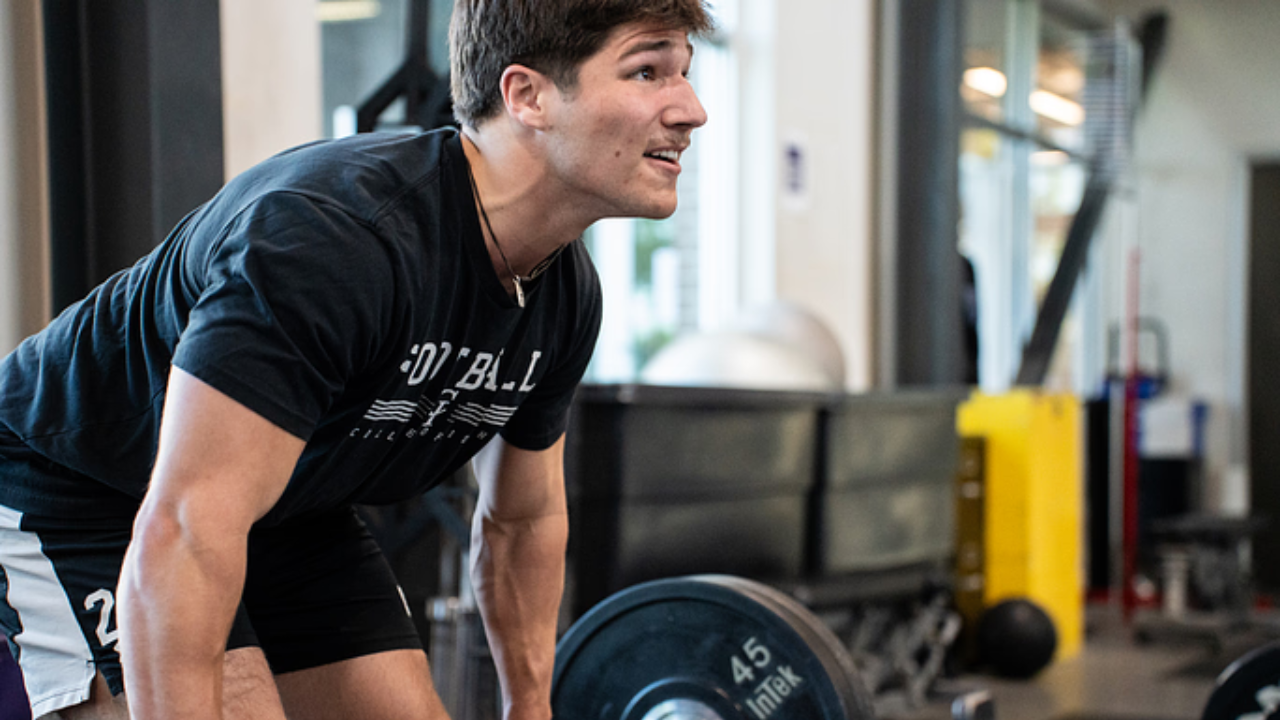
In 2026, Ryken EchoHawk, a sophomore majoring in biomedical science and a student-athlete on the College’s football team, applied for the highly competitive Udall Undergraduate Scholarship. The scholarship program honors the legacies of Morris K. Udall and Stewart L. Udall by awarding funding to “future leaders in environmental, Tribal public policy, and health care fields.” Read EchoHawk’s own words as he describes the importance of his family and heritage and his pursuit of a career in Tribal healthcare:
My surname, ‘EchoHawk’, is derived from the name of my ancestor which translated to, ‘hawk whose deeds are echoed,’ an honorable name that reflects integrity, reliability, and success with a quiet and modest nature. My grandfather, Larry EchoHawk, is an excellent example and role model to me as he embodies the meaning behind ‘EchoHawk’. He is a successful man with a calm and collected personality that has positively impacted Native Americans through his work as a lawyer, attorney general of Idaho (1991-1995), and assistant secretary of the interior for Indian affairs under Barack Obama (2009-2012). Using the examples set by my grandfather and family, I plan to emulate and embody the true meaning behind my last name and make my ancestors proud. By doing this, I will allow myself to step closer towards my goals in the realms of medicine and Native American health care.
I aspire to become a surgeon that will positively impact Native American communities by entering a field that is underrepresented by Natives, rebuilding trust in healthcare systems, and strengthening cultural connections among tribal communities. I believe my education at the College of Idaho not only provides me course work that will contribute to my future in medicine, but has also exposed me to many different avenues of education that have shaped my professional aspirations. For example, a medical history course introduced me to Dr. Lori Arviso Alvord and her book “The Scalpel and the Silver Bear,” where she describes how marginalized groups, such as Native Americans, have a legacy of distrust in healthcare due to historical unethical practices, systemic neglect, and cultural misunderstandings. Her example is inspiring to me and demonstrates that culturally grounded physicians can mend historical damage and distrust. Dr. Alvord, as the first Native female board certified in surgery, illustrates how Native physicians can impact health care within Native communities; however, today Native Americans make up less than 0.4% of total physicians in the United States. Due to this statistic, I believe that increasing this number will greatly impact Native American health care. Overall, I hope to emulate Dr. Alvord and model my future practice as one rooted in cultural understanding as well as a strong community presence. Beyond direct patient care, I am committed to supporting Native community initiatives to strengthen identity and connection to heritage, and an excellent example is River Newe which I participate in with the Shoshone-Bannock tribe. I hope to have a strong presence in Native communities to build and expand tribal activities that emulate values of connection and importance of health. Through continuing my education, I hope to achieve all of my goals of restoration of trust and improving health and preservation in Native communities.
2112 Cleveland Blvd, Caldwell, ID 83605
208-459-5011 • 800-2C-IDAHO