What can we help you find?

Edit Template
  • By Henry Miller

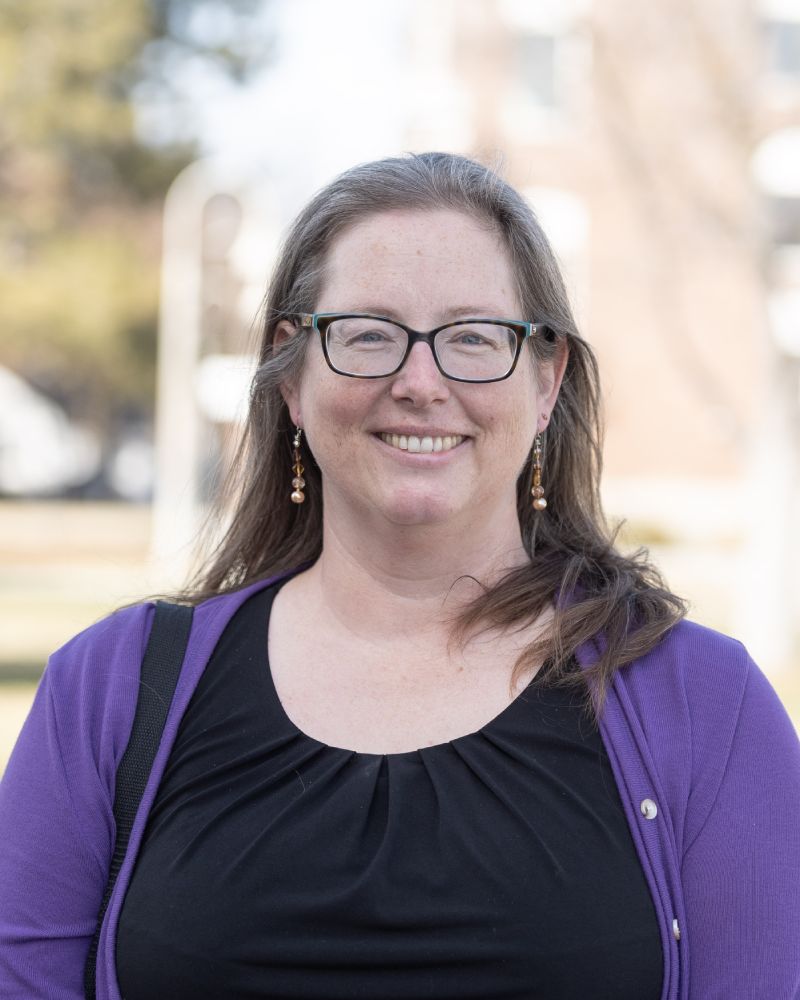
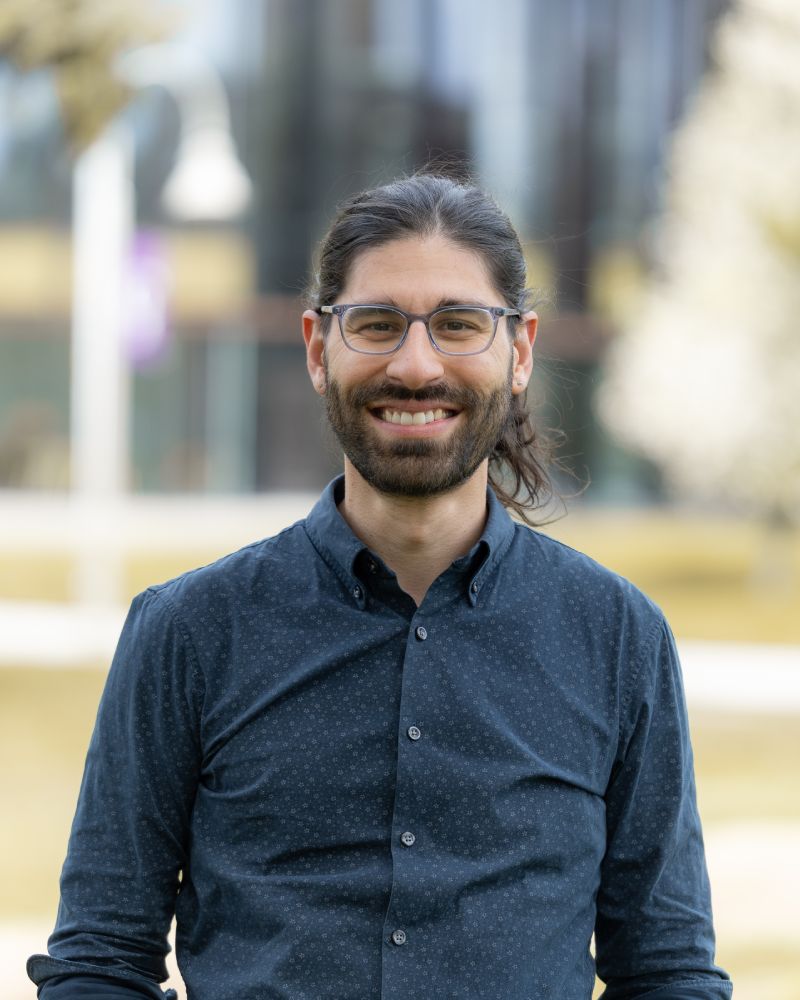
Matt McDaniel

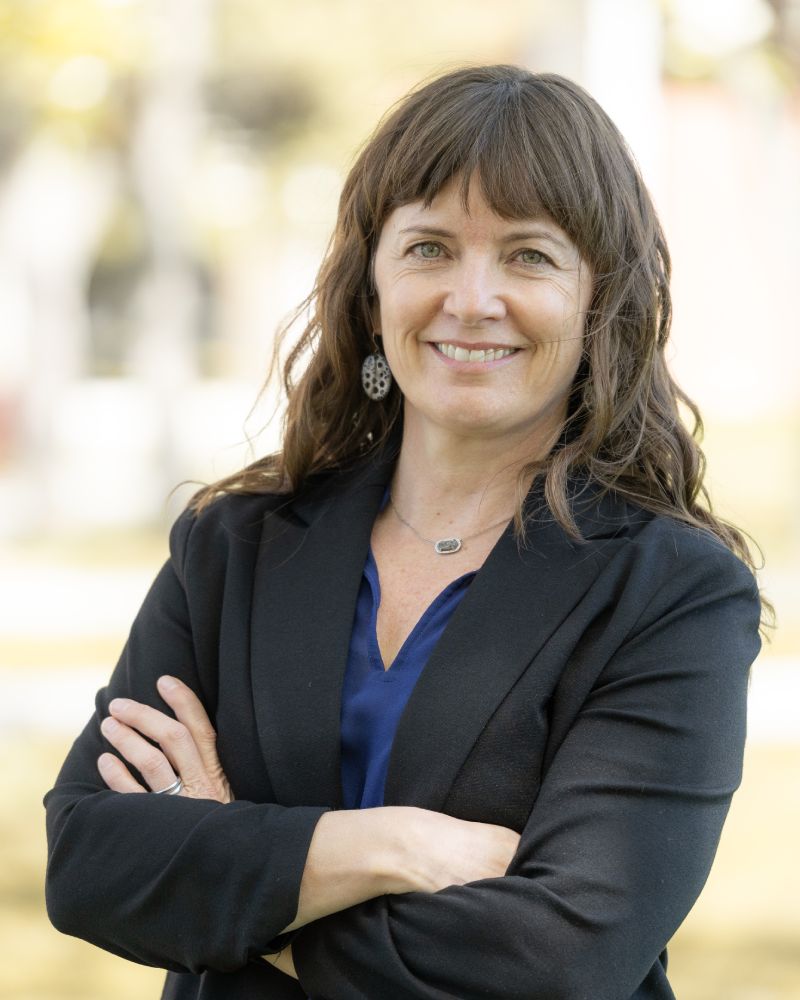
Matthew McDaniel, PhD was named the director of The College of Idaho’s M.Ed. in Educational Leadership during the Spring of 2025 upon the program’s relaunch. With well over a decade of educational leadership experience, Dr. McDaniel has held administrative positions in both the charter and traditional public education sectors spanning all grades PK-12. During his tenure as a school leader, he oversaw significant programmatic growth in each of his positions across all areas of school operation, including academic achievement, academic intervention programs, facilities management and upgrades, budget management and oversight, student behavior interventions and supports, and cultivating teachers as leaders through the deprivatization of professional practice. Dr. McDaniel holds current Idaho public education certification in the following areas: Idaho School Principal & Administrator (PK-12), Idaho Secondary Music (6-12), Idaho Secondary Spanish (6-12), Idaho Bilingual Education (K-12), Idaho English as a New Language (K-12), and Idaho Humanities (K-12). Matthew maintains a regular presence as a presenter and professional development consultant at the local, state, national, and international levels. Outside of the professional arena, Dr. McDaniel is highly involved in the local community, serving on two different nonprofit boards of directors, co-directing a local semi-professional choir, and engaging in a variety of other philanthropic efforts. He lives in Caldwell with his wife and three children. EDUCATION Ph.D., Educational Leadership, University of Idaho, 2018 M.Ed., Educational Leadership, University of Idaho, 2011 B.A, Music Education, The College of Idaho, 2007 SCHOLARSHIP & RESEARCH McDaniel, M. (2018). Authentic Leadership and Entrepreneurial Thinking in the Context of Professional Standards for Educational Leaders: Perspectives of Practicing Charter School Leaders (Doctoral dissertation). McDaniel, M. (2017). Institutional Climate and Faculty Governance in Higher Education: A Shift from Capitalist to Shared Governance Models. Workplace: A Journal for Academic Labor. Textbook Collaboration: (2012) Developed and translated the published ESL/ELL text Stepping Stones to English, La Gramática: Transición del Español al Inglés in cooperation with Shurley Instructional Materials, Inc. SPEAKING ENGAGEMENTS McDaniel, M. (2024). Authentic Leadership: Who Am I? & Deprivatizing Professional Practice. Presented at the Leadership Committee for English Education in Quebec (LCEEQ) Leadership for School Improvement Workshop Residential Series, Quebec, Canada. November 26, 2024. McDaniel, M. (2024). Response to Intervention Summit at The College of Idaho. Led and presented a daylong professional development summit on Response to Intervention for the Lewis and Clark Elementary School leadership team, College of Idaho education department faculty, and undergraduate education students. The College of Idaho, Caldwell, ID. April 11, 2024. McDaniel, M. (2024). Deprivatizing Professional Practice: A Guide to Enhancing Collective Efficacy. Presented at the World Education Summit 2024 powered by Osiris Educational. March 18-21, 2024. McDaniel, M. (2023). Leveraging Visible Learning as an Elementary School Principal. Presented at the 2023 National Association of Elementary School Principals PreK-8 Principal’s Conference. National Harbor, MD. July 10-12, 2023. McDaniel, M. (2022). Being a Building Principal in a Visible Learning School: Where to Start and Where to Go! Presented at the 2022 national Annual Visible Learning Conference. Denver, CO. July 26-27, 2022. McDaniel, M. (2021). Being a Leader in a Visible Learning School: Where to Start and Where to Go! Presented at the 2021 P20 Conference: Learning by Doing. College of Southern Idaho, Twin Falls, ID. July 13-14, 2021. McDaniel, M. (2020). Using Microteaching as a Means of Developing Collective Teacher Efficacy. Accepted for presentation at the Innovative Schools Network National Conference on Educational Innovation. Wisconsin Dells, WI. April 22-24, 2020 (conference canceled due to COVID-19). McDaniel, M. (2018). Giving your small school choir wings. Presented at Idaho Music Educators’ Association All-State Conference. Moscow, ID. February 2, 2018. ACCOMPLISHMENTS Idaho Business Review “Accomplished Under 40”, 2017

Explore More
  • By Henry Miller

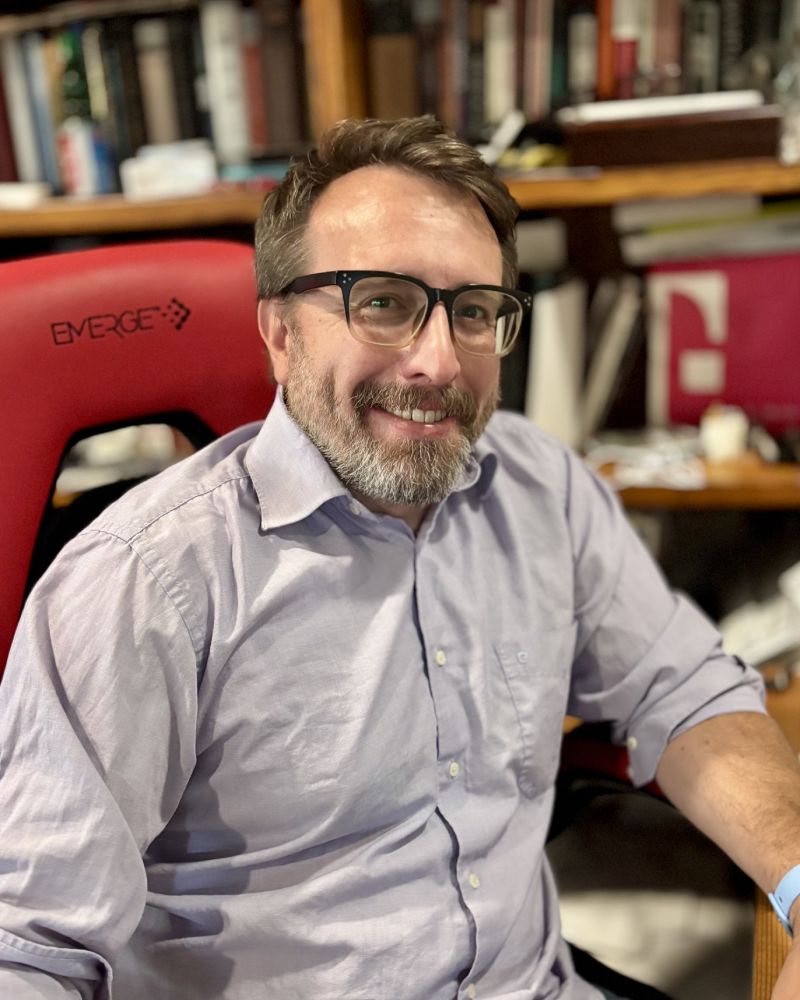
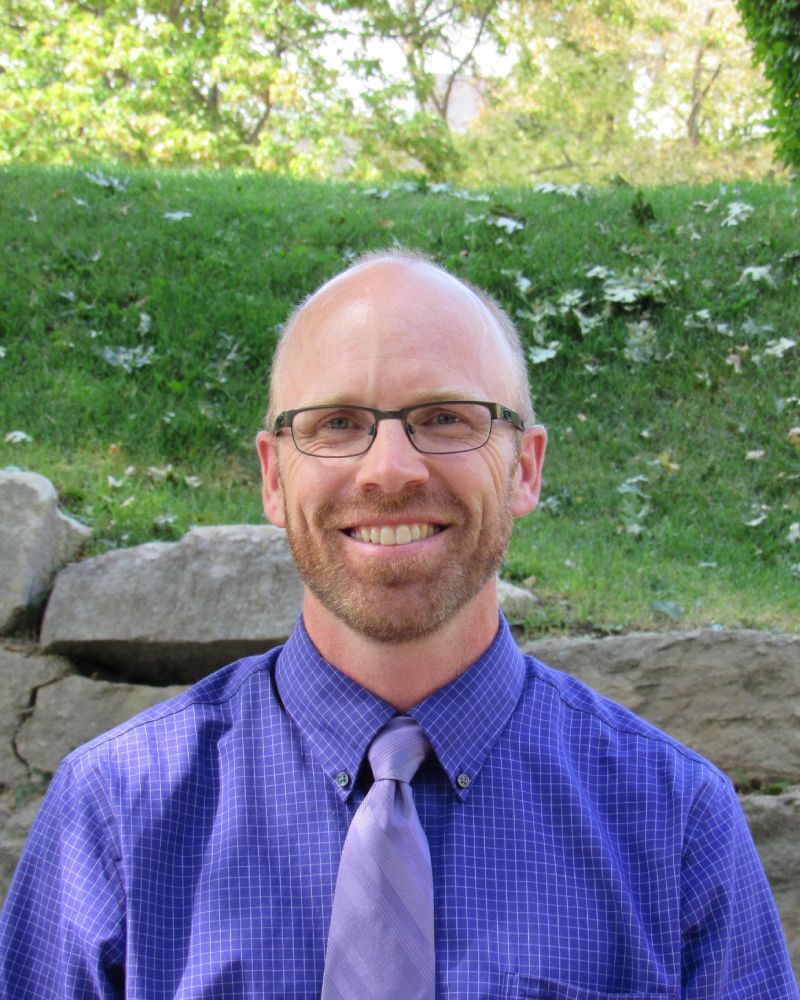
Doug Long

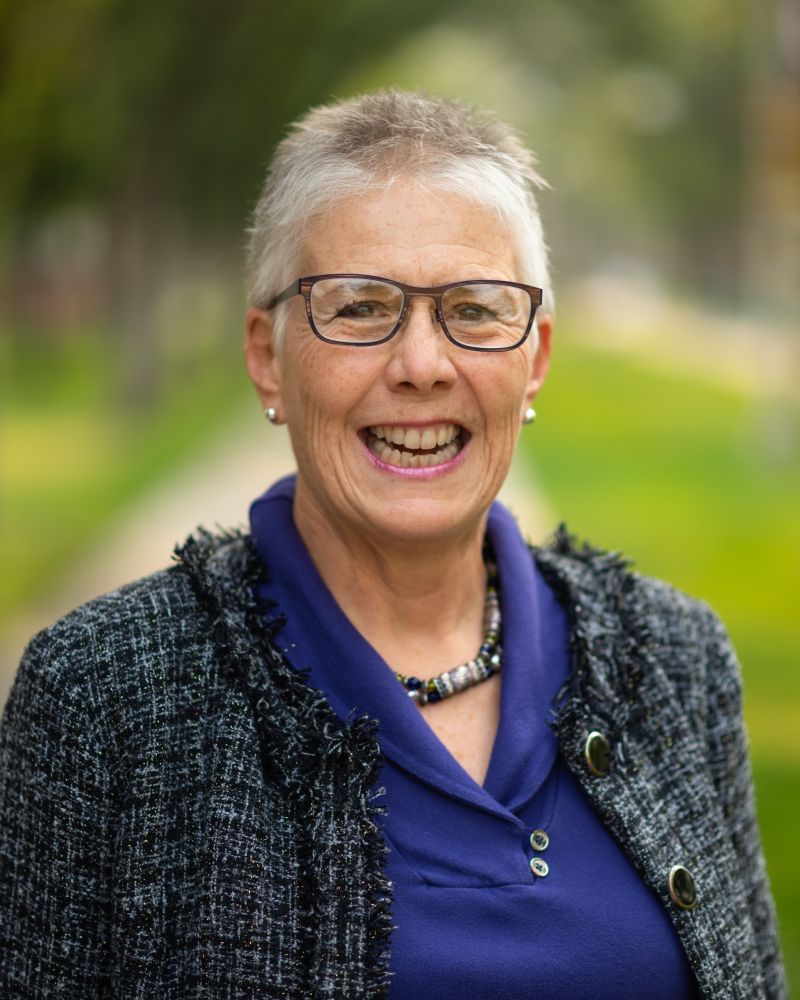
Greetings! I am Dr. Douglas Long, PA-C. I am the Associate Program Director for the DMSc program. I have been a PA for 28 years. I was born and raised in the Cleveland, Ohio, area. My early career in medicine started as a US Navy Hospital Corpsman. I also spent time as a field medical specialist with the US Marine Corps. This led me to paramedic training and eventually PA school. Clinically, I practiced Emergency Medicine and Surgery. I have always had the desire to teach, and I went back to school for a master’s degree so I would be prepared to teach the next generation of PAs. I was fortunate enough to meet some great people along the way, and one of them encouraged me to go to a DMSc program, where I developed specific skills in education and leadership. My teaching experience includes being the founding Director of Clinical Education for the PA program at Ursuline College. I personally built a successful clinical program that continues to flourish today. I have also taught in an online pre-PA master’s program and realized I enjoy the remote student connection. I have pursued scholarly work, have authored two textbook chapters, and have presented at the Ohio State PA conference on the value of a DMSc for PAs. I am currently a program leader at the College of Idaho DMSc program and am motivated to provide meaningful DMSc student support and to develop a team of doctoral-trained PA advisors to expand and personalize student support. EDUCATION DMSc, Education, AT Still University, Mesa, AZ 2021 MSPAS, Advanced PA Studies, AT Still University, Mesa, AZ 2019 AAS, Surgeon’s Assistant, Cuyahoga Community College, Cleveland, OH Graduated Cum Laude 1997 SCHOLARSHIP & RESEARCH Long DD. Pulmonary Embolism. In Bushardt RL, Colomb-Lippa DM, Klingler AM, Reed HL (Eds.). The JAAPA QRS Review for PAs. Study Plan and Guide for PANCE and PANRE. Wolters Kluwer. 2022:365. Long DD, Weilk ZT, Whitney LD. Cardiovascular and Vascular. In Gonzales G, McDonald M. (Eds). The PA Rotation Exam Review, 2nd ed. Wolters-Kluwer. 2024:875-876. Hamler N, Long DD, Barnette J, Alibrando K. Key factors for Choosing Doctor of Medical Science (DMSc) Programs. Poster presented at: American Academy of Physician Associates Annual Meeting; May 16-20, 2025; Denver, CO. May 2025: JAAPA-D-25-00081, entitled Empowering PAs in Healthcare: Unlocking the Potential of Implementation Science for the Journal of the American Academy of PAs. (Peer Review) SPEAKING ENGAGEMENTS Ohio Association of Physician Assistants Annual Fall Conference 2023: Topic: Doctoral Degrees for PAs. American Academy of Physician Associates Conference 2025: Topic: Key factors for Choosing Doctor of Medical Science (DMSc) Programs.

Explore More
  • By Henry Miller

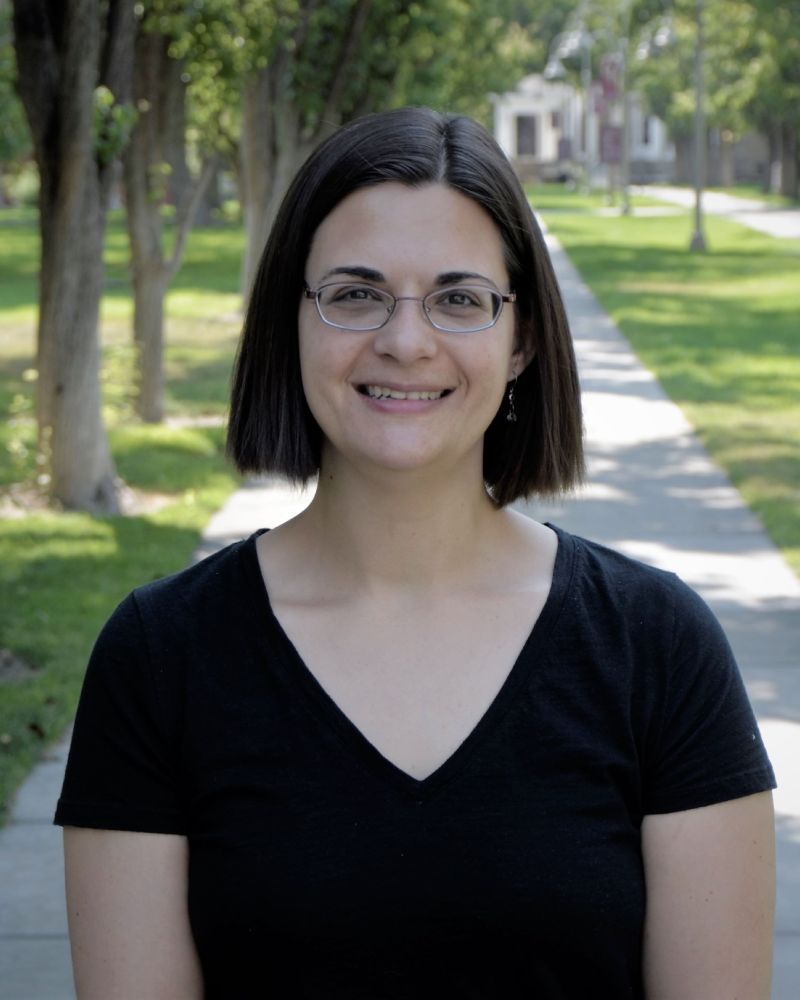
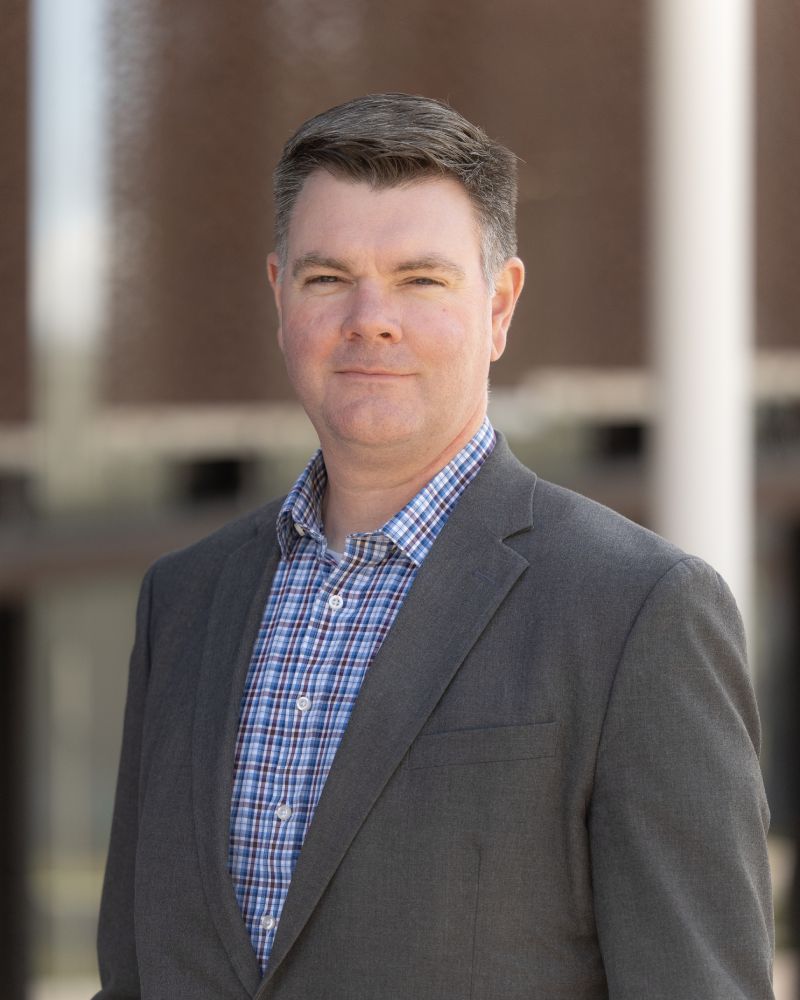
Kari Bernard

I have been a physician assistant (PA) since 2004, practicing in cardiology, emergency medicine, and psychiatry. I transitioned into PA education in 2014. This shift inspired me to pursue a PhD in industrial and organizational psychology, focusing on strategies to help PAs and PA students manage healthcare workplace stress and avoid burnout. My research portfolio includes studies, reviews, policy papers, and commentaries on PA professional fulfilment, burnout, and turnover, and student well-being. Through this work, I found my scholarly voice and have used it to advocate for PAs and PA students. In 2021, I moved into PA doctorate education and in 2023, I joined The College of Idaho to create a Doctor of Medical Science program for practicing PAs. The College of Idaho Doctor of Medical Science program aims to prepare graduates with the research skills, expertise, and confidence to elevate their careers. EDUCATION Ph.D. in Industrial and Organizational Psychology, Walden University M.S. in Physician Assistant Studies, A.T. Still University, Summa Cum Laude, Outstanding Master’s Thesis Award B.S. in Biology, Eastern New Mexico University, Summa Cum Laude, President’s Award SCHOLARSHIP & RESEARCH Bernard KS, Bostain N. The opportunity to lead facilitates PA professional well-being. JAAPA. 2024;37(6):1-10. doi:10.1097/01.JAA.0000000000000022 Bernard KS. Well-being and the early-career PA: Influence of the collaborative physician relationship. JAAPA. 2023;36(2):35-43. 10.1097/01.JAA.0000578776.46804.be Essary AC, Bernard KS, Coplan B, et al. Burnout and job and career satisfaction in the physician assistant profession: a review of the literature. NAM Perspectives. Published online 2018. doi:

Explore More
  • By Henry Miller

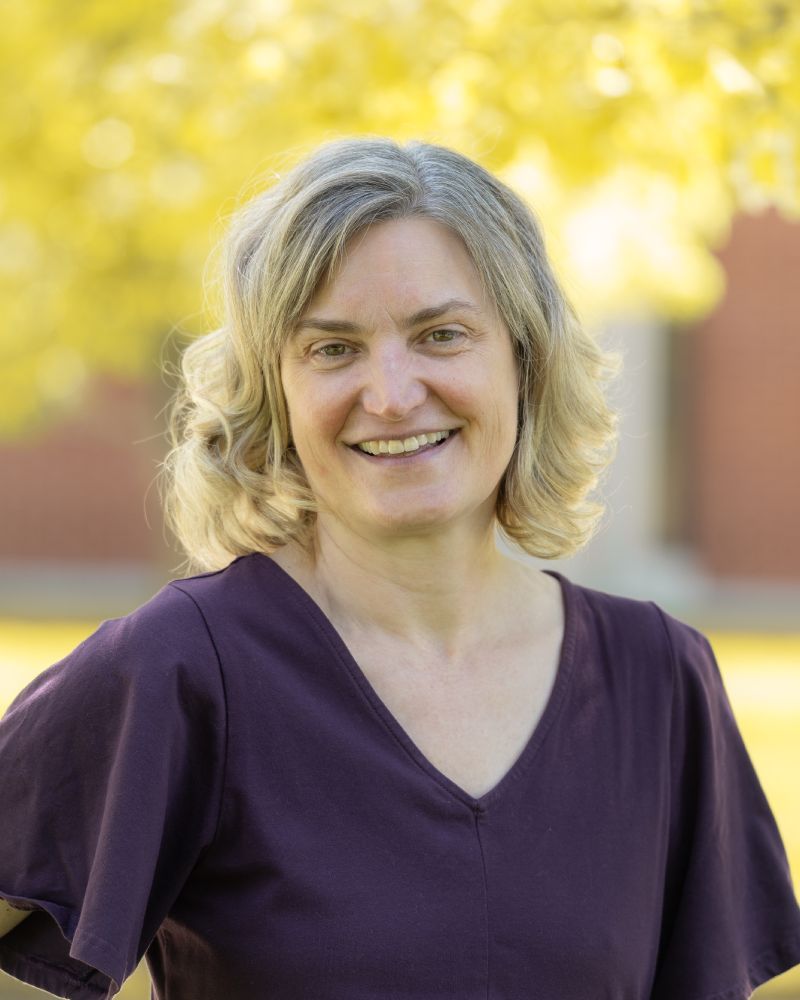
Deb Yates

Deb Yates began teaching full time at The College of Idaho in 2003. Her scholarly interests include at-risk youth, alternative schools (including charter schools), No Child Left Behind Act, educational reform, qualitative research (especially case studies and narrative inquiry), school improvement/turnaround schools, and single-gender classrooms/schools. Dr. Yates’ research focuses on effective schools of choice, alternative education, and school improvement, and has included social science methodologies utilizing case studies, ethnographies, and portraiture. Dr. Yates has also served as a professional development facilitator for the Indiana State Department of Education, designing programs to help public educators become more effective with high-risk students of poverty. As a paid consultant, Dr. Yates has conducted program evaluations for school districts looking to restructure their high schools or to establish alternative schools. EDUCATION Ed.D., Curriculum and Instruction, Boise State University. M. A., Ball State University B.S., Indiana State University SCHOLARSHIP & RESEARCH Turning Your School Around: A Self-Guided Audit for School Improvement (2010). Solution-Tree Publishers, co-authored with Robert D. Barr) Welcome to Middletown: A Reality-based Program for Engaging Your Staff in Data Assessment for School Improvement. (2006) Solution-Tree Publishers

Explore More
  • By Henry Miller

Brandy Wiegers

I grew up in Meridian, Idaho, having spent my youth as a dedicated Girl Scout and student. I graduated from the University of Idaho (in Moscow, Idaho) with degrees in Biological Systems Engineering and Mathematics. From UI I went to the University of California, Davis (near Sacramento) to complete a Ph.D. in Applied Mathematics. My research focused on computational mathematical biology and numerical analysis. I then made my way to San Francisco State University as the Program Director of Outreach and Student Success from 2009 – 2014. In this position, I was the Director of the San Francisco Math Circle, the Co-Director of the SFSU (CM)^2 NSF GK12 program, and the Co-Director of the Bay Area Circle for Teachers. At the same time, I was working for the Mathematical Sciences Research Institute (now the Simons Laufer Mathematical Sciences Institute in Berkeley) to establish the National Association of Math Circles, a national support structure for mathematical outreach programs. From 2014-2023, I was faculty at Central Washington University (Ellensburg, WA). At CWU I helped design the CWU Applied Math program, established the Kittitas Valley Math Circle, created the Central Convergence REU program, and worked for a period as the CWU Director of Undergraduate Research. I also co-created the Journal of Math Circles for national publication recognition of outreach work. In 2024, I moved to the College of Idaho as an Associate Professor. My current interests include supporting my students’ mathematical exploration, supporting the growth of Math Circles, and broader national research on the impact of Math Circles. I am currently the Editor in Chief of the Journal of Math Circles. https://digitalcommons.cwu.edu/mathcirclesjournal/, the vice-chair of the Congress of the Mathematical Association of America, and an Aunt to my awesome nephew. EDUCATION Ph.D., Applied Mathematics, University of California, Davis (Davis, CA), 2008 Bachelor of Science in Mathematics, University of Idaho (Moscow, ID), 2002 Bachelor of Science in Biological Systems Engineering, University of Idaho (Moscow, ID), 2002 Annual Rocky Mountain Conference for Latin American Studies, March 2021,“The Roots of Discontent” The People Who Made the Junta Protectora de las Clases Menesterosas, 1865-1867.” Annual Rocky Mountain Conference for Latin American Studies, April 2019, “Maximilian of Habsburg and his ‘Ethnic Cleansing’ Policies in Mexico during the French Intervention, 1862-1867.” “The Junta Protectora de las Clases Menesterosas and the Revival of the Juzgado General de Indios in Nineteenth-Century Mexico.”

Explore More
  • By Henry Miller

Caleb Tormey

I am a theoretical and computational chemist and my areas of research interest include liquid state theory, polymers and computational and simulation techniques. I am particularly interested in hybrid theory/simulation methods. I enjoy teaching the general chemistry sequence, physical chemistry (including quantum mechanics, thermodynamics, and kinetics), and computational chemistry. As an educator, I believe comprehension is proven through application. While it’s easy to follow an expert solving a problem, it is a far greater challenge to do the work yourself. My goal is to guide students and provide the necessary tools, but I challenge them to ultimately prove their knowledge and build authentic confidence by doing the work themselves. EDUCATION Ph.D., Applied Chemistry, Colorado School of Mines, 2016 B.S., Chemistry, The College of Idaho (Albertson College) 2004 SCHOLARSHIP & RESEARCH Donley, J. P., Heine, D. R., Tormey, C. A. and Wu, D. T. “Liquid-state polaron theory of the hydrated electron revisited.” The Journal of Chemical Physics, 141, 024504 2014 Servis, M.,Tormey, C. A., Wu, D. T. and Braley, J. “A Molecular Dynamics Study of Tributyl Phosphate and Diamyl Amyl Phosphonate Self-aggregation in Dodecane and Octane.” The Journal of Physical Chemistry B, 120(10), 2016 He, Q., Wang, S., Hu, R., Akgun, B., Tormey, C.A., Peri, S., Wu, D., Foster, M. “Evidence and Limits of Universal Topological Surface Segregation of Cyclic Polymers.” Physical Review Letters, 118, 2017 Li,H, Donley, J.P.,Wu, D.T, Curro,J.,Tormey, C.A. “Two-molecule theory of polyethylene liquids” The Journal of Chemical Physics, 161, 194903, 2024

Explore More
  • By Henry Miller

Ruth Tincoff

I teach courses on developmental and cognitive psychology, general psychology, and psychological science/research methods. My teaching philosophy is borrowed directly from what we have learned about human cognition and development – we are naturally curious information seekers. For students taking classes with me, your curiosity, what you already know, and the work you do with me and other students are all essential parts of your learning. In my research, I investigate how infants understand words before they can talk. I examine how infants use perceptual and social cues from caregivers to build the beginnings of their comprehension vocabulary. I also examine how caregivers and infants together create dynamic social events (e.g., feeding or dressing routines) that are the ecology for language development. Students are essential collaborators on this research and learn a variety of scientific and practical skills. You can click here to learn more about the Parent & Baby Project. EDUCATION B.A., 1994, Wayne State University, Honors Psychology and Linguistics Ph.D., 2001 and M.A., 1998, Johns Hopkins University, Cognitive Developmental Psychology Postdoctoral Fellow, 2001 – 2004, Harvard University, NIH Individual Postdoctoral National Research Service Award SCHOLARSHIP & RESEARCH Seidl, A., Tincoff, R., Baker, C., & Cristia, A. (2015). Why the body comes first: effects of experimenter touch on infants’ word finding. Developmental Science, 18(1), 155–164. doi: 10.1111/desc.12182. Tincoff, R. & Jusczyk, P.W. (2012). Six-month-olds comprehend words that refer to parts of the body. Infancy, 17(4), 432-444. doi: 10.1111/j.1532-7078.2011.00084.x. Tincoff, R., Hauser, M., Tsao, F., Spaepen, G., Ramus, F., & Mehler, J. (2005). The role of speech rhythm in language discrimination: Further tests with a nonhuman primate. Developmental Science, 8(1), 26-35. doi: 10.1111/j.1467-7687.2005.00390.x. Tincoff, R. & Jusczyk, P. W. (1999). Some beginnings of word comprehension in six-month-olds. Psychological Science, 10, 172-175. doi: 10.1111/1467-9280.00127. Reprinted in D. Muir & A. Slater (Eds.), Infant development: The essential readings (pp. 270-278). Oxford, UK: Blackwell Publishers, 2000. Treiman, R., Tincoff, R., Rodriguez, K., Simou-Mouzaki, A., & Francis, D. J. (1998). The foundations of literacy: Learning the sounds of letters. Child Development, 69(6), 1524-1537. Treiman, R., Goswami, U.,  Tincoff, R., & Leevers, H. (1997). The effects of dialect on American and British children’s spelling. Child Development, 68(2), 229-245.

Explore More
  • By Henry Miller

Christine Schutz

Christine Schutz joined what was then Albertson College of Idaho in 2000 as Assistant Librarian, taking the position of Director of the Library in 2004. In addition, Christine served for seven years as the Co-Director of the First Year Experience Program (2007-2014), followed by two years as Coordinator of Advising. In addition to her role in the library, Christine now serves as Director of Writing and the First-Year Seminar. She has taught First Year Seminar, a special topics course on library/online research, and PiYo: Yoga-Pilates Fusion (one of seven group fitness formats in which she is certified). Her current scholarly work focuses on the intersection of the pedagogies of writing and library/online research. EDUCATION M.S., Library and Information Science, University of Illinois Urbana-Champaign, 1995 B.S., Architectural Studies, University of Illinois Urbana-Champaign, 1992

Explore More
Stelios-Panageo-People
  • By Henry Miller

Stelios Panageotou

Always questioning why things are the way they are, I studied Sociology at the University of Tampa and graduated with a doctorate at the University of Tennessee with a specialty in Political Economy. I began to situate my research at the intersection of the capitalist economy and the democratic political system. At the same time, I became captivated by Critical Theory as a way to explain the divergence between the surface features of society and the subterranean, hidden logics that underlie modern societies. I applied these research interests to the emerging Greek financial crisis and developed a theory of the “crisis management regime” that imposed austerity upon the nation’s people in exchange for interest-bearing loans deceptively called bailouts. I traveled to Athens for months during the peak of the crisis in 2015 to pursue an ethnographic study of the crisis management treatment and its deleterious effects on the Greek people. I challenged the mainstream narrative that Greece’s unsustainable debt was accumulated through profligacy and instead argued that it resulted from a structured power imbalance that benefited the core, Northern European economies at the expense of Greece’s economy. I published this work in the Review of Radical Political Economics and compared the management of Greece’s financial crisis to that of the Latin American debt crises of the 1970s and 1980s in an article published in Comparative Sociology. I have since shifted my research focus to the United States and study the ways in which corporations and humans practice politics, as well as the sources of corporate political power. Challenging mainstream narratives on the Trump presidency, my co-author (Dr. Joel Crombez) and I rethink the governance style of Donald Trump and argue that it exemplified the logic of the personal brand whose actions are intended to accrue symbolic capital. I am now working on a research project that de-centers the human from democracy and instead positions corporations at the center of the American democratic process. Elements of this larger research project have been published in The SAGE Handbook of Political Sociology and Logos: A Journal of Modern Society and Culture. I was attracted to the College of Idaho because of its commitment to the liberal arts tradition and its emphasis on the close mentoring relationship between professor and student. My approach to teaching is to design cutting-edge Political Economy classes that have never been taught before but capture the unique political economic moment through which we exist. I blend an emphasis on the classics of Political Economy with contemporary, critical approaches to the field. My classroom experience is intended to teach the content of the discipline as much as it seeks to cultivate personal growth and reflection among students. EDUCATION Ph.D., University of Tennessee-Knoxville M.A., University of Tennessee-Knoxville B.A., University of Tampa SCHOLARSHIP & RESEARCH Panageotou, Steven, and Joel Crombez. 2020. “The United States of Trump Corp.: The ‘Not Normal/New Normal’ Governing Style of a Personal Brand.” Fast Capitalism 17(1). DOI:10.32855/fcapital.202001.003. Panageotou, Steven. 2018. “Corporate Power in the Twenty-First Century” in The SAGE Handbook of Political Sociology, edited by William Outhwaite and Stephen Turner. Thousand Oaks, CA: SAGE. Panageotou, Steven. 2017. “Disciplining Greece: Crisis Management and its Discontents.” Review of Radical Political Economics 49(3): 358-374. DOI: 10.1177/048661341770397. Panageotou, Steven. 2015. “No Democratic Theory Without Critical Theory.” Logos: A Journal of Modern Society and Culture 14(2-3). Panageotou, Steven, and Jon Shefner. 2015. “Crisis Management and the Institutions of Austerity: A Comparison of Latin American and Greek Experiences.” Comparative Sociology 14(3): 1-27.

Explore More
  • By Henry Miller

Paul Moulton

As a musicologist, Paul Moulton teaches a wide range of historical courses. In his research, he often approaches historical musicology from an ethnomusicological point of view, and he is particularly interested in the way music affects the lives of individuals. He is a prominent scholar in the field of Celtic Music, with additional interests in music of the eighteenth and nineteenth centuries, and Scottish, Irish, and Navajo music. He has presented research at regional, national, and international conferences, and he has published several articles in scholarly journals and books. Paul joined the faculty in 2007. Moulton cares deeply about his students and their success in life, not just as a musician, and he believes an understanding of music in history and culture encourages personal reflection about life and our humanity. He believes that these studies can especially broaden and enrich our capacity to feel and empathize with others. In addition to his academic career, he and his wife have five wonderful children, and in his spare time he likes to run, hike, garden, read, and serve in his church and in the community. EDUCATION Ph. D., Florida State University M. A., Florida State University B.A., Brigham Young University

Explore More